
Unseasonal rain refers to precipitation occurring outside the typical monsoon or winter rainfall windows, often exacerbated by climate change, erratic atmospheric conditions, and weakening of Western Disturbances. As of April 2026, this phenomenon has become a major threat in India, particularly affecting the pre-monsoon (March-April) period.
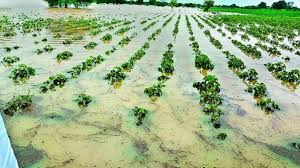
Description and Key Highlights (2026 Context)
- Widespread Impact: In 2026, unseasonal rains and hailstorms have been reported across at least 24 states in India.
- High-Risk Period: The pre-monsoon season has emerged as a high-risk period, with 29 days of rain and hail reported in the first 38 days of the season in 2026.
- Massive Crop Damage: From March 1 to April 7, 2026, over \(627,000\) hectares of crop area were affected, with March 2026 alone seeing over \(195,000\) hectares damaged, the highest in five years.
- Worst-Hit Regions: Uttar Pradesh, Maharashtra, Bihar, Rajasthan, Haryana, and Punjab have reported severe damage, particularly to wheat, onion, and horticulture crops.
- Causes: The primary driver is climate change, which increases the frequency of extreme rainfall events. It is linked to intense Western Disturbances and strong subtropical jet streams.
- Government Action: The Union Agriculture Ministry is reviewing the situation and has instructed states to survey damages for compensation under the Pradhan Mantri Fasal Bima Yojana (PMFBY).
Key Impacts
- Agriculture (Rabi Crop Loss): Standing wheat crops ready for harvest are being flattened, reducing both quantity and quality (lower protein content).
- Economic Disruption: The damage to rabi crops (wheat, pulses, oilseeds) raises the likelihood of higher food prices and inflation, threatening to impact the Consumer Price Index (CPI).
- Reduced Quality and Shelf Life: Excessive moisture causes waterlogging and root rot, significantly lowering the market value of crops like onions and fruits.
- Pests and Diseases: Increased moisture creates a breeding ground for pests, further damaging crops.
- Farmer Distress: The losses pose a severe threat to small and marginal farmers, leading to income loss, increased debt, and reduced rural purchasing power.
Future Scope and Adaptation Strategies
- Climate-Resilient Agriculture: Adoption of climate-resilient farming techniques, such as growing climate-resistant seed varieties, is necessary to mitigate damage.
- Enhanced Early Warning Systems: Improved meteorological forecasting and localized, early warnings are critical to allow farmers to harvest early.
- Strengthening Insurance: Ensuring faster, transparent assessment and settlement of crop insurance claims under PMFBY.
- Crop Diversification: Shifting away from heavy reliance on a single crop to more varied, resilient cropping systems.