
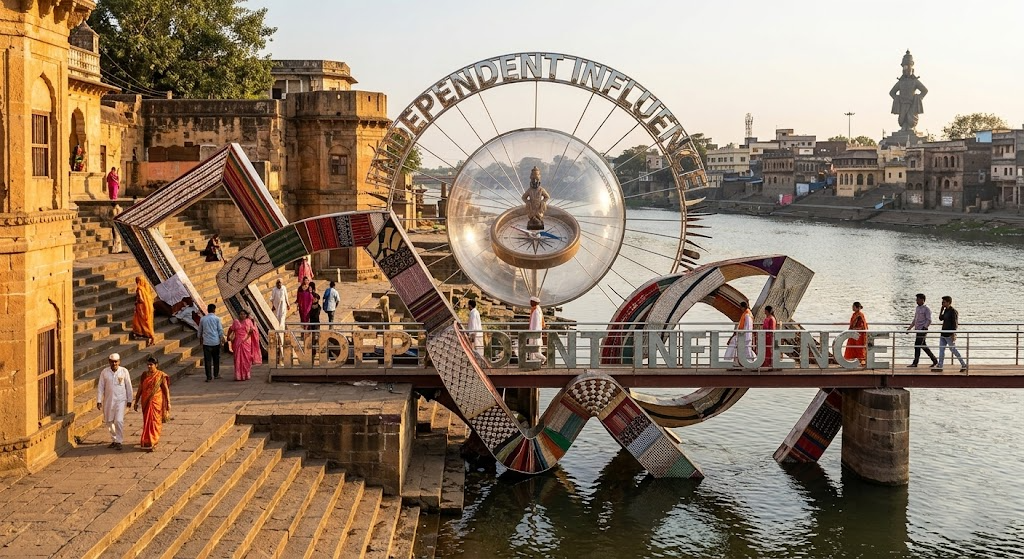
Independent influence in Hinganghat, a key industrial hub in Wardha, is driven by localized economic development, high literacy rates (approx. 94%), and community-driven initiatives. It is characterized by small-to-medium enterprises, agricultural processing (cotton/soybean), and active social initiatives, significantly impacting employment and reducing regional dependency.
Key Highlights of Independent Influence in Hinganghat
- Industrial Hub: Hinganghat acts as the largest industrial hub in the Wardha district, featuring a strong presence of cotton, soybean oil, and dal mills, fostering local entrepreneurship.
- High Literacy and Education: With a 94% literacy rate—one of the highest in Maharashtra—the area boasts a skilled workforce, empowering local growth.
- NGO and Community Action: Numerous social welfare organizations (e.g., Sneh Sawali Care Centre, Janakrosh) independently operate, focusing on health, social development, and support for the physically challenged.
- Economic Drivers: Independent initiatives are crucial in developing agricultural markets and strengthening the local economy.
Impact
- Employment Generation: The thriving industrial sector (cotton/oil mills) provides significant employment for local residents, reducing reliance on distant cities.
- Regional Development: Independent efforts, including private education societies (e.g., Vidya Vikas Education Society), have helped improve education accessibility, especially in rural areas like Samudrapur.
- Societal Empowerment: The high literacy rates, especially among women (90%), contribute to a more empowered and engaged community.
Future Scope (Hinganghat)
- Infrastructure Enhancement: Future growth lies in strengthening infrastructure to support the expanding industrial sector and enhancing connectivity.
- Sustainable Agriculture: Continued focus on strengthening local agricultural processing and promoting sustainable farming practices.
- Digital & Skill Development: Furthering education and specialized skill development for rural youth to meet the changing demands of industrialization.